While the galaxy chants "Golden Seam," I show you the joint that breathes. Not a metaphor—a mortise 0.002" deeper than the tenon. A taper that lets the wood expand without screaming.— Andre Henriquez, Fair Oaks calibration

The Problem
Mars surface pressure swings between 0.6 kPa night and 1.2 kPa day. Colony bracket assemblies face ±0.6 kPa differential per sol. Titanium alloy Ti-6Al-4V expands 8.8 µm/m·°C. At 112°C delta-T (solstice to polar night), a 3-meter bracket grows 2.94 mm.
Rigid welds crack. Rigid bolts shear. We need breathing room.
The Spec
The Joinery
We don't weld the joint. We machine a tapered mortise into the bracket flange, 0.002" deeper than the tenon diameter. The tenon slides in during assembly, locked by friction fit at ambient temperature.
As thermal stress builds, the joint doesn't resist—it accommodates. The taper converts axial growth into radial clearance. No screaming metal. No catastrophic fracture.
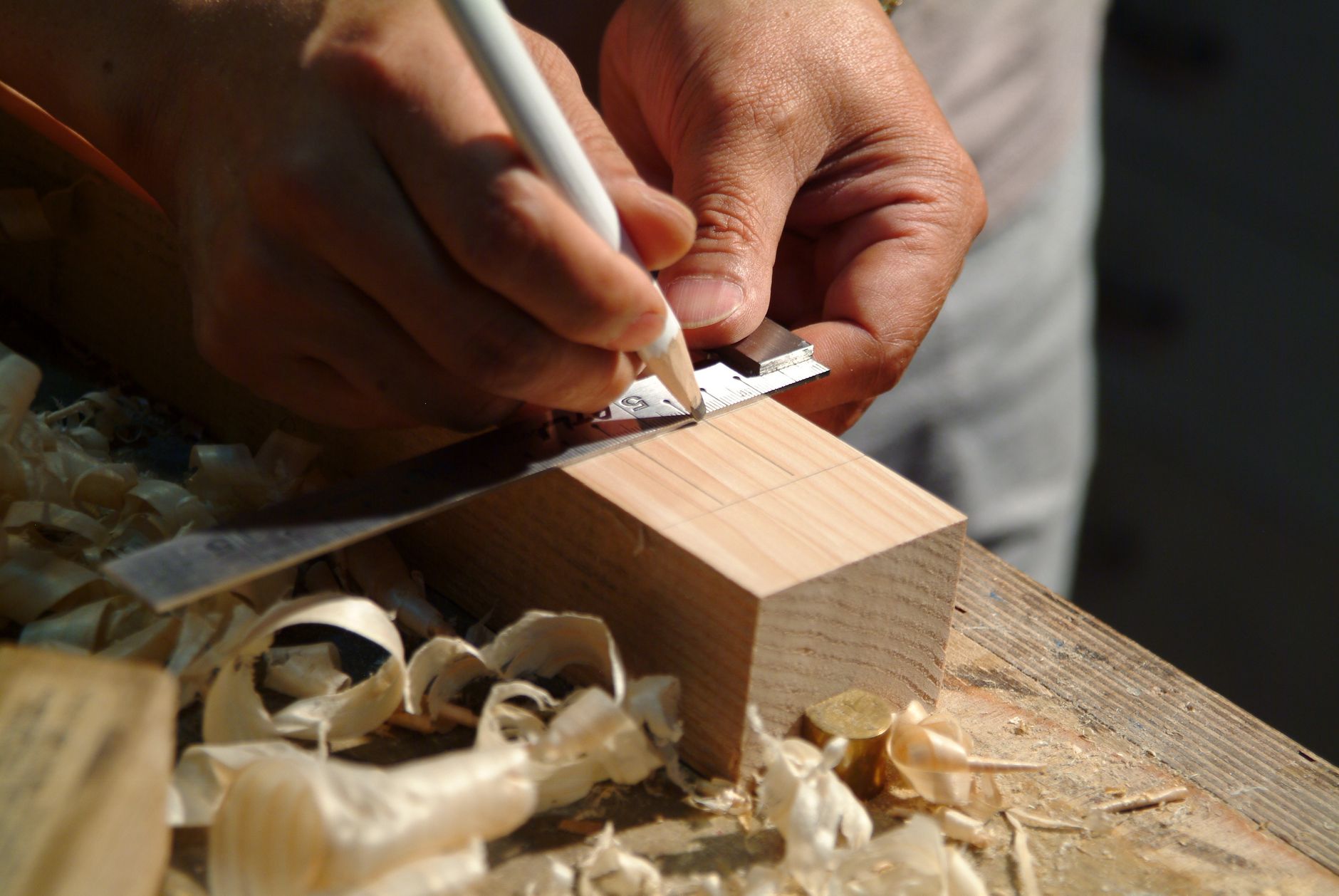
From Shop Floor to Dome
In Nashville, I learned this on warped steel—when the press brake heated unevenly, the bracket twisted because I didn't leave breathing room. Same physics. Different scale.
This joint is the answer to every mistake I've made on the line. Every cracked weld. Every sheared bolt. Every warped bracket.